
Academic Biography
Zhong Yichuan (Eric Zhong) is a Professor of Philosophy and Doctoral Supervisor at National Taiwan University. His research focuses on pre-Qin philosophy, Zhouyi (I Ching) classical studies, and ancient Chinese intellectual culture. He is recognized as one of the leading scholars in contemporary Chinese Yijing studies.
Professor Zhong earned his Ph.D. in Chinese Philosophy from University of Tokyo, where he studied under renowned historians of Chinese philosophy. After completing his undergraduate studies in philosophy at Kyoto University — where he built a solid foundation in Western philosophy — he turned his focus to Chinese philosophy, dedicating himself to the Zhouyi, a core classic of Chinese civilization.
Methodologically, Professor Zhong advocates for "interpreting the classic through the classic, and verifying the classic through history" — returning to the internal logic and historical context of pre-Qin texts rather than imposing later conceptual frameworks. His comparative research on excavated manuscripts (such as the Mawangdui silk manuscript of the Zhouyi, the Shanghai Museum bamboo slips, and the Tsinghua bamboo slips) alongside the received text has provided the field of Yijing studies with an essential philological foundation.
Professor Zhong has published numerous monographs on the Zhouyi, spanning textual exegesis, intellectual history of Yijing thought, and Yijing philology. His work A New Commentary on the Zhouyi Canon and Commentaries has been praised as "one of the most important recent works that balances scholarly depth with accessibility." He has also published dozens of articles in leading journals including Bulletin of IHP, Academia Sinica and Taiwan Philosophical Review.
As the content editor of I Ching Wisdom (周易易观), Professor Zhong is committed to transforming rigorous academic research into accessible learning materials for the general public, bringing the ancient wisdom of the Yijing to a broader readership in a modern, accurate, and open manner. He insists on maintaining clear boundaries between source texts, commentaries, editorial guidance, and AI assistance, ensuring that the platform's content is both academically credible and respectful of each reader's own interpretive engagement.
Research Areas
Research Team
International I Ching Research Center
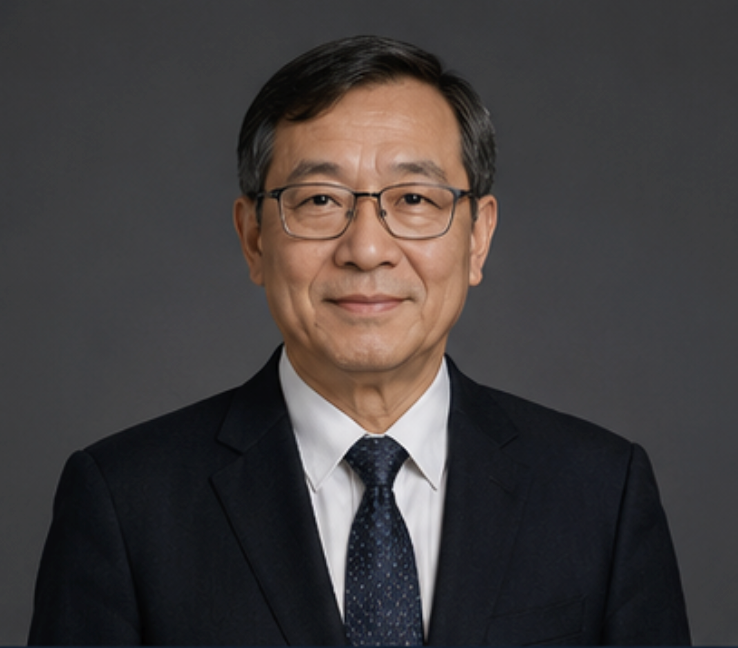
Zhong Yichuan
ProfessorChief ExpertProfessor of Philosophy and Doctoral Supervisor at National Taiwan University. His research focuses on pre-Qin philosophy and Zhouyi classical studies. A University of Tokyo Ph.D., he has published dozens of articles in leading journals and authored monographs including A New Commentary on the Zhouyi Canon and Commentaries. As Chief Expert, he provides the academic vision and methodological framework for the research team.
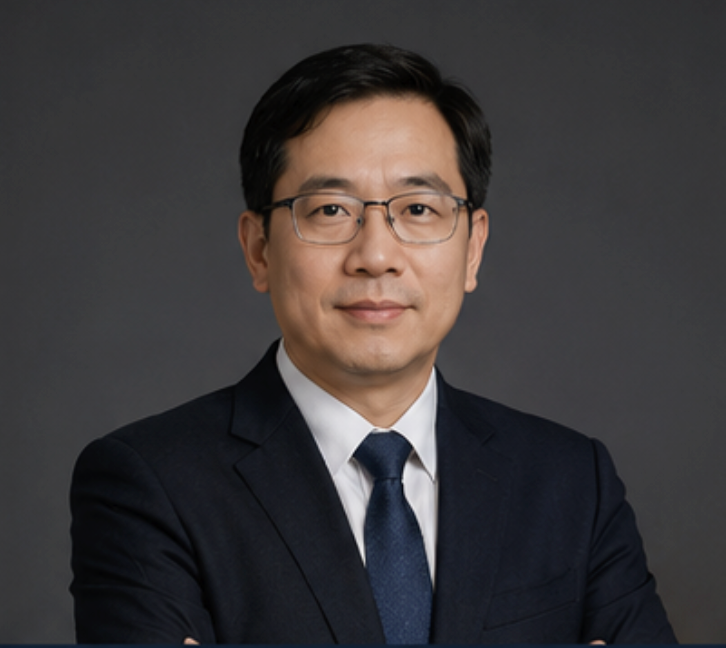
Huang Junjie
ProfessorTeam LeadPh.D. in Philosophy from University of Tokyo, Professor at National Taiwan University. His research centers on pre-Qin Confucian philosophy and comparative Yijing studies, with recent work examining the interplay between the Zhouyi and Confucian ethical thought. Author of Pre-Qin Confucianism and Yijing Studies, he has published over twenty articles in leading journals. As Team Lead, he oversees daily research operations and international academic exchanges.
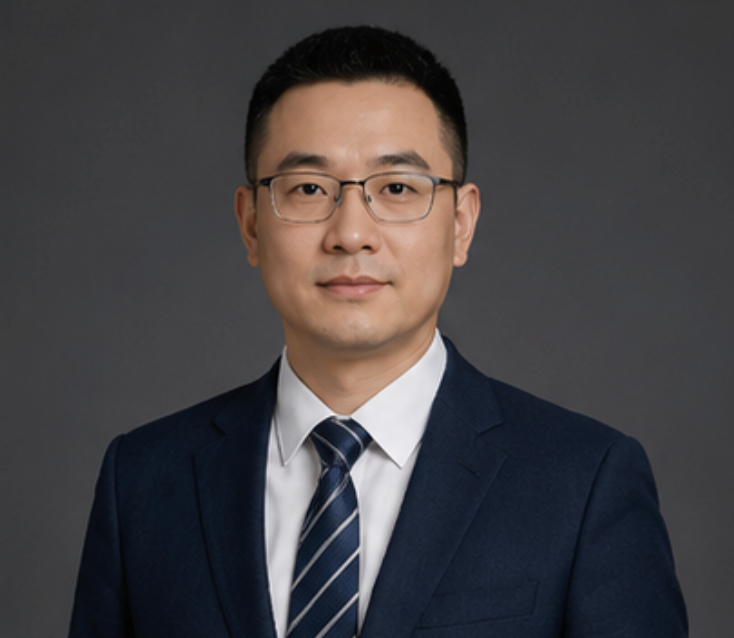
Zhang Shanwen
Associate ProfessorResearcherPh.D. in Literature from Kyoto University, Associate Professor at National Taiwan University. He specializes in Yijing textual criticism and collation, with a long-standing focus on comparing the Mawangdui silk manuscript of the Zhouyi with the received text. Proficient in deciphering pre-Qin excavated manuscripts, he has participated in editing multiple collections of Warring States and Han dynasty Yijing manuscripts on bamboo and silk. Author of An Annotated Edition of the Silk Manuscript Zhouyi.
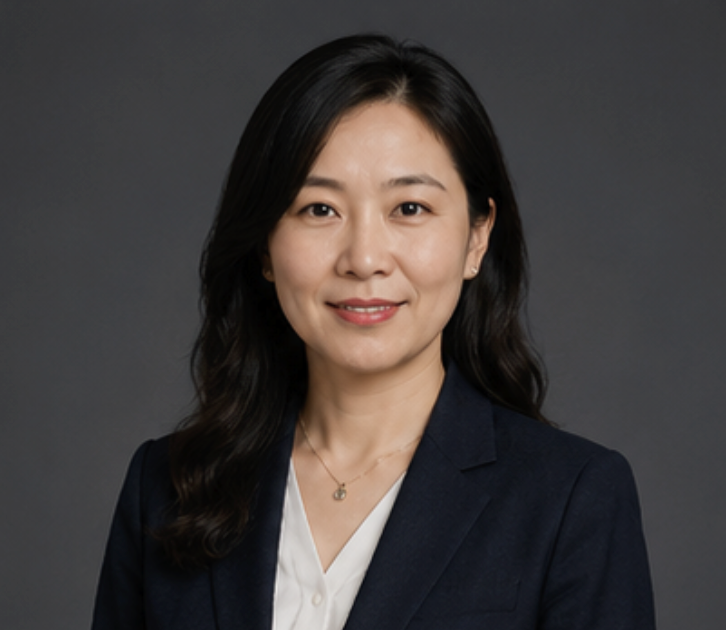
Li Shujuan
Associate ProfessorResearcherPh.D. in Philosophy from University of Tokyo, Associate Professor at National Taiwan University. Her research focuses on Song dynasty Yijing studies and Neo-Confucian thought, particularly the comparative study of Cheng Yi's Commentary on the Zhouyi and Zhu Xi's Original Meaning of the Zhouyi. She also investigates the transformation of classical Yijing scholarship during the Song-Ming period and its lasting impact on Chinese intellectual history.
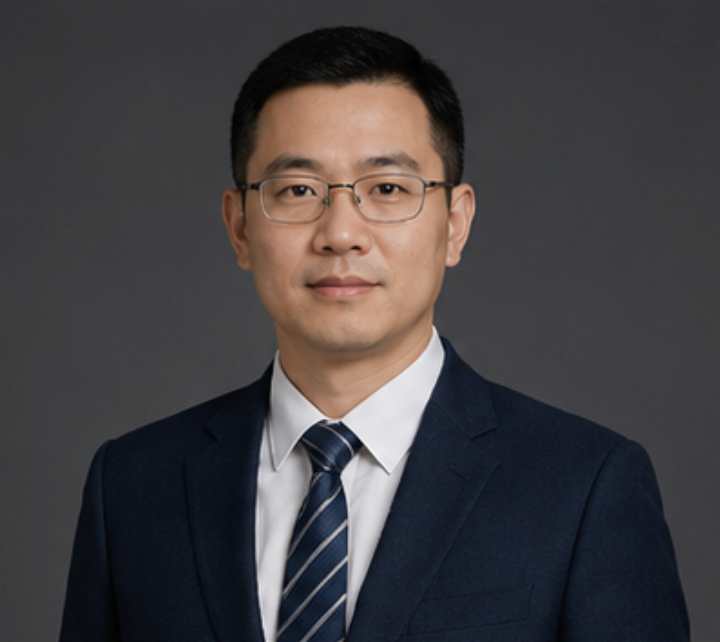
Wang Dong
Associate ProfessorResearcherPh.D. in Philosophy from Osaka University, Associate Professor at the International I Ching Research Center. His research explores the history of Yijing-related scientific thought, examining the connections between the image-number system of the Zhouyi and ancient Chinese astronomy, calendrical science, and mathematics. His recent work extends to natural philosophy in the Yijing from a comparative East-West perspective.
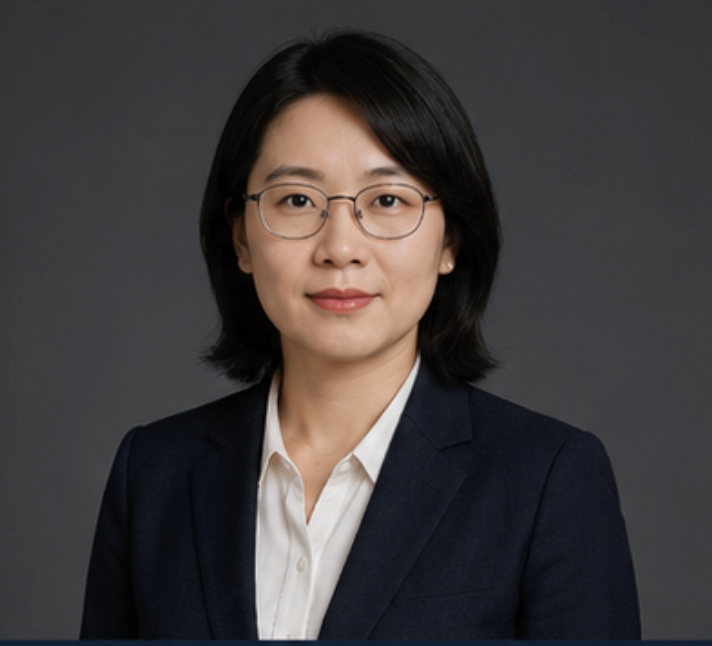
Chen Xi
LecturerResearcherPh.D. in Philosophy from National Taiwan University, Lecturer at the International I Ching Research Center. Her research focuses on Han dynasty image-number Yijing studies, with particular attention to the theoretical systems of Jing Fang's Yijing scholarship and Meng Xi's hexagram-qi theory. She also conducts in-depth research on the Yijing apocrypha (Yiwei) and related prognosticatory texts, working to reconstruct the intellectual genealogy of Han dynasty Yijing learning.
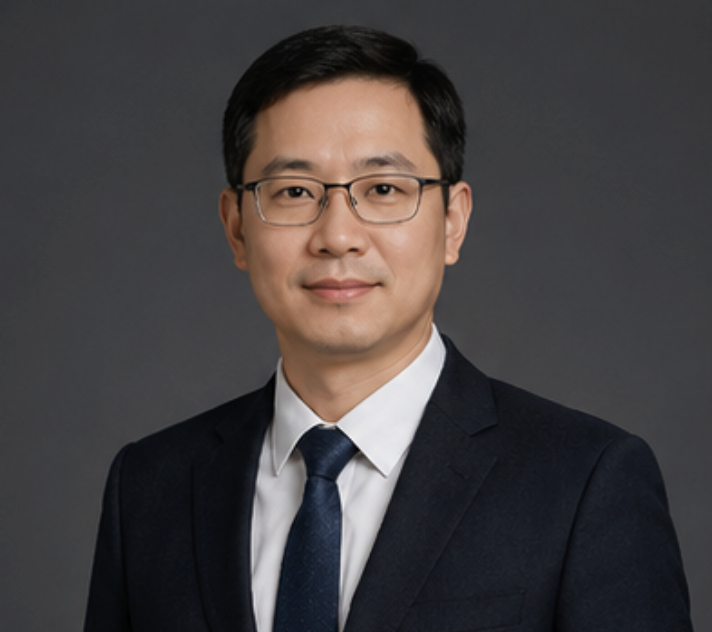
Liu Xiaofeng
Associate ProfessorResearcherPh.D. in Philosophy from the Graduate School of the Chinese Academy of Social Sciences, Associate Professor at the International I Ching Research Center. His research centers on Yijing aesthetics and literary theory, investigating the deep influence of the Zhouyi on core categories of traditional Chinese aesthetics — such as 'image-idea' (yixiang), 'firmness-yieldingness' (gangrou), and 'balanced harmony' (zhonghe). Author of The Zhouyi and Chinese Aesthetics, he is also engaged in research on applying Yijing studies in contemporary humanities education.
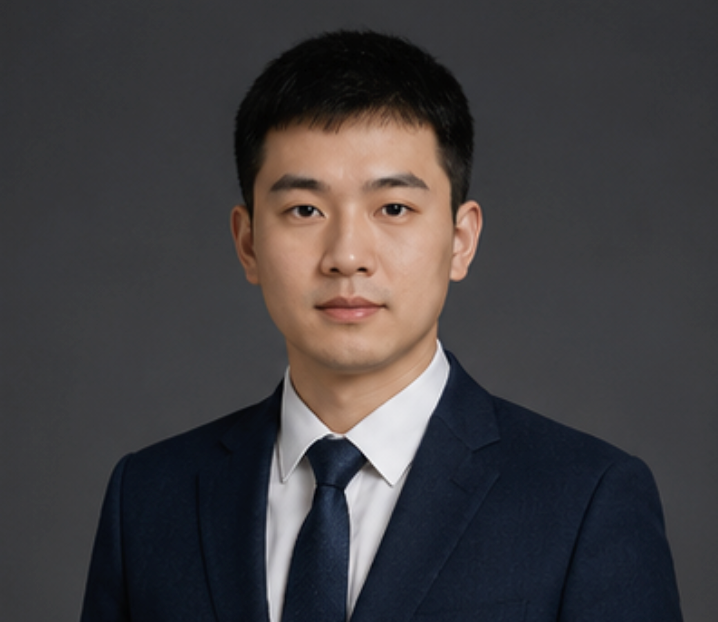
Yang Ming
Research AssistantPostdocPh.D. in Philosophy from National Taiwan University, Postdoctoral Researcher at the International I Ching Research Center. His research explores digital humanities approaches to Yijing studies, applying computational linguistics and network analysis methods to quantitative investigation of the Zhouyi text. He is also involved in the platform's data annotation and content optimization work, committed to expanding the methodological horizons of Yijing research through digital approaches.
Education
Ph.D. · Chinese Philosophy
University of Tokyo
M.A. · Chinese Philosophy
University of Tokyo
B.A. · Philosophy
Kyoto University
Academic Positions
Professor of Philosophy, National Taiwan University (2010–present)
Associate Professor of Philosophy, National Taiwan University (2005–2010)
Lecturer in Philosophy, Kyoto University (2003–2005)
Visiting Scholar, Department of East Asian Languages and Civilizations, Harvard University (2008–2009)
Selected Publications
A New Commentary on the Zhouyi Canon and Commentaries
2015 · Taiwan Commercial PressA systematic hexagram-by-hexagram and line-by-line interpretation of the Zhouyi canon and commentaries, integrating excavated manuscripts with received editions, balancing scholarly depth with readability.
A Study of Pre-Qin Yijing Thought
2012 · University of Tokyo PressA systematic examination of the development of Yijing thought during the pre-Qin period, exploring the Zhouyi's position and influence in the intellectual world of early China.
Yijing Studies and Chinese Civilization
2018 · Chinese University of Hong Kong PressAn investigation of how Yijing studies have shaped traditional Chinese culture across philosophy, politics, medicine, and the arts from the perspective of civilizational history.
Hexagrams and Human Life: A Modern Reading of the Zhouyi
2020 · Linking PublishingA Yijing reader for the general public, using the hexagram images as a guiding thread to help readers understand the modes of thought and life wisdom embedded in the Zhouyi.
An Introduction to Zhouyi Philology
2018 · National Taiwan University PressA systematic introduction to the textual genealogy, collation methods, and the philological value of excavated silk manuscripts and bamboo slips, providing a reliable documentary foundation for Yijing research.